

While the rules may seem complex at first, they provide a reliable framework that builds trust with donors, strengthens internal controls, and enables sustainable growth. While for-profit organizations orient GAAP for Nonprofits their accounting practices around the goal of turning a profit, nonprofits’ main goal in accounting is financial transparency with donors, stakeholders, and the government. This allows these organizations to remain tax-exempt and use their revenue to effectively further their missions.
Revenue Recognition in Nonprofit Accounting
Generally speaking, there are two ways your organization can allocate expenses in its budget. The first method is based on the type of payment you’ll make to cover each intended cost, referred to as natural expense allocation. The second method, functional expense allocation, is based on how each expenditure impacts your mission. Yes, the Accounting Standards Codification typically applies to both for-profit and non-profit organizations.
- Additionally, most lenders and donors require GAAP-compliant financial statements as a prerequisite for grants, loans, or investment opportunities.
- Following the guidelines provided by the CNCA or provincial legislation is crucial for a smooth registration.
- Generally Accepted Accounting Principles (GAAP) is the established framework of accounting rules and standards for financial reporting in the United States.
- With the new emphases and expectations on transparency, nonprofits must learn how to present their financials in a way that will make sense to stakeholders, and these new guidelines will likely help.
CHIPS Act final regs. offer many taxpayer-friendly provisions
If a negative result is anticipated, management should implement actions such as capital campaigns, key donor requests, or expense by department analysis to reduce costs. Areas that aren’t strategic to the entity’s mission can be analyzed to determine if they are an effective use accounting of the organization’s resources. In addition, the organization should monitor a cash flow forecast regularly with the help of all supervisors. Organizations should also consider whether alternate sources of funds could be obtained through a fundraising campaign or a line of credit to improve liquidity. The Financial Accounting Standards Board (FASB) is responsible for establishing and maintaining GAAP for public and private companies and non-profit organizations in the United States.
Recognizing revenue and managing grant accounting

Furthermore, certifications such as the Certified Nonprofit Accounting Professional (CNAP) or the Nonprofit Management Certificate Program can help accountants demonstrate their expertise and commitment to the field. IRS tax specialists typically focus on providing clear guidance, conducting thorough reviews of tax returns, and resolving complex tax-related questions. On April 22, 2024, the Office of Management and Budget issued revisions to the Uniform Administrative Requirements, Cost Principles, and Audit Requirements for Federal Awards (Uniform Guidance).
isCompleteProfile ? “Setup your profile before Sign In” : “Profile”
- It becomes much easier to produce accurate financial statements that meet compliance requirements.
- An independent auditor will then provide a written statement attesting to whether the nonprofit’s financial statements are fairly stated and comply in all material respects with GAAP.
- It is necessary to establish clear expectations for how financial statements are prepared and presented, offering consistency and comparability for all stakeholders.
- The FASB has established the Accounting Standards Codification (ASC) as the comprehensive framework for accounting standards.
- Aplos partners with Stripe Payments Company for money transmission services and account services with funds held at Fifth Third Bank N.A., Member FDIC.
- Professional services provide expert advisory and specialized solutions to businesses or individuals.
- NPOs must adhere to these accounting policies to remain compliant with the law and maintain their tax-exempt status.
Differentiating between for-profit and non-profit accounting helps emphasize the unique goals and objectives of non-profit organizations. Complying with reporting obligations demonstrates transparency and accountability, fostering trust with stakeholders. Complying with reporting obligations is vital for non-profits as it showcases organizational transparency and accountability. Firstly, it provides transparency to stakeholders, including donors, members, employees, and the public. Her background includes forty-five years of experience in nonprofits, primarily in organizations that mix grassroots community work with policy change. Beginning in the mid-1980s, Ruth spent a decade at the Boston Foundation, developing and implementing capacity building programs and advocating for grantmaking attention to constituent involvement.
What are common Challenges in Nonprofit Accounting?

Research time may be needed to properly allocate items such as employee time between program and supporting activities. Inconsistencies in allocation methods should be identified, and a line-by-line analysis of accounts may be needed. Certain areas such as information technology should be analyzed for direct supervision or direct conduct of program activities. In essence, accounting practices for non-profits in Canada adhere to GAAP and focus on stewardship and mission fulfillment. It is therefore crucial for non-profits to prioritize fulfilling their reporting requirements to avoid these negative outcomes. Non-profits in Canada have filing requirements with the Canada Revenue Agency (CRA) to maintain their tax-exempt status.
FASB ASC 958
There are certain pronouncements that apply only to non-profits and certain that do not apply to non-profits. The complexity of this implementation will be driven by the number of departments and employees. Activities in each department that represent direct conduct or direct supervision of program or other supporting activities will require allocation from management and administrative activities. By staying up-to-date and connected, non-profit accountants can contribute to the financial stability and Catch Up Bookkeeping long-term success of their organizations.
Properly Recognize Different Types of Revenue
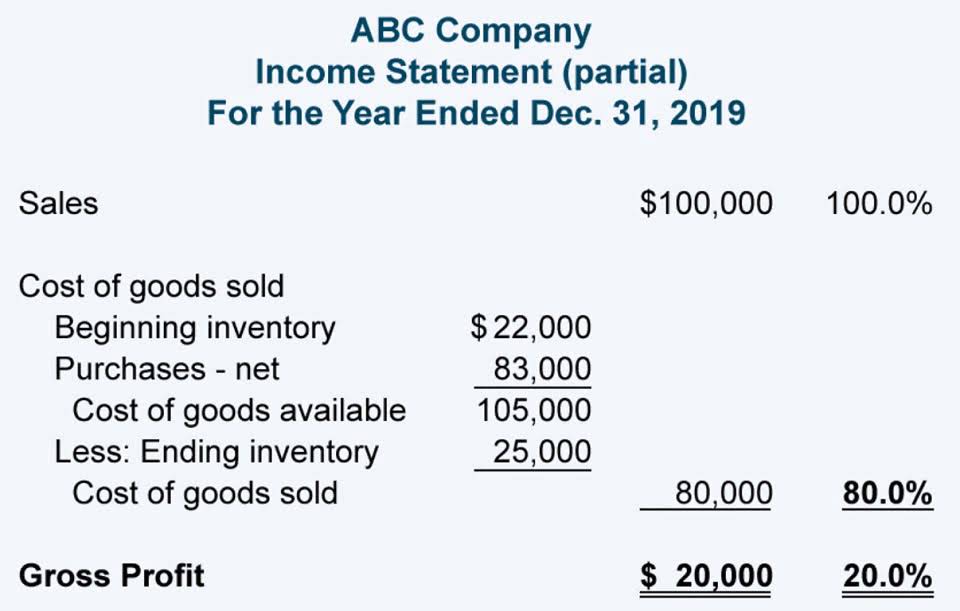
This requires meticulous tracking and reporting to ensure each fund is used appropriately. Additionally, constant changes in regulations and compliance requirements can add layers of complexity, requiring accountants to stay continuously informed. In contrast, the accrual basis of accounting recognizes income when it is earned and expenses when they are incurred, regardless of when cash transactions occur. This provides a more accurate financial picture, aligning revenues and expenses with the time they are actually earned or incurred. While the accrual method can be more complex, it offers a nuanced view of a nonprofit’s financial health.