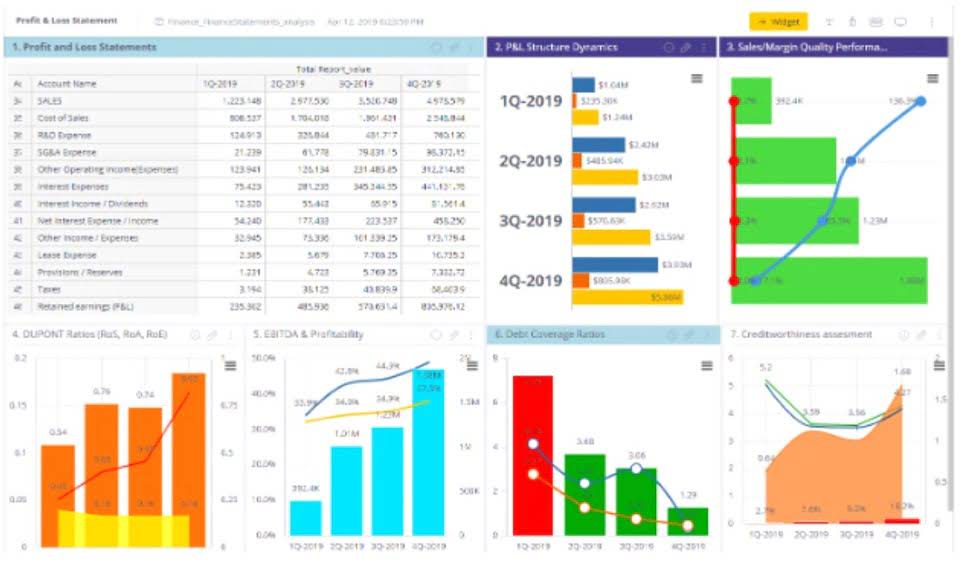
If they notice expenses are going over budget or under budget, they can look into what’s causing this discrepancy and make recommendations to resolve these problems. Did this article help you to understand the basic difference between accounting and bookkeeping? If you want to gain more detailed information about it refer to Vedantu’s compact study materials online. Also, you can join our free live classes to learn about these concepts and other whats the difference between bookkeeping and accounting related topics more effectively in the most convenient manner.

Popular Bookkeeping Software
In the U.S., certified public accountants (CPAs) are accountants who have specific training and education and pass a rigorous exam on business and accounting concepts and regulations. Other bookkeepers get certified in the bookkeeping software they use with clients. In this post, we’ll cover the differences and similarities between accountants and bookkeepers and their Online Bookkeeping services so you know which to hire.
- Accounting and bookkeeping are both critical aspects of sound business financial management, but the two roles differ.
- By utilizing technology, bookkeepers and accountants can streamline reporting and compliance, reducing the risk of errors and penalties.
- Just upload your form 16, claim your deductions and get your acknowledgment number online.
- The higher earnings for accountants are largely due to their educational qualifications and professional certifications.
- Bodies like the American Institute of Certified Public Accountants (AICPA) or the Association of Chartered Certified Accountants (ACCA) govern accounting and bookkeeping professionals.
- However, it is essential to note that salaries can vary based on experience, location, industry, and the organization’s size.
- The distinction between bookkeeping and accounting lies in their scope, focus, and the skills and tools employed in each.
What is the CPA Exam? A complete guide.
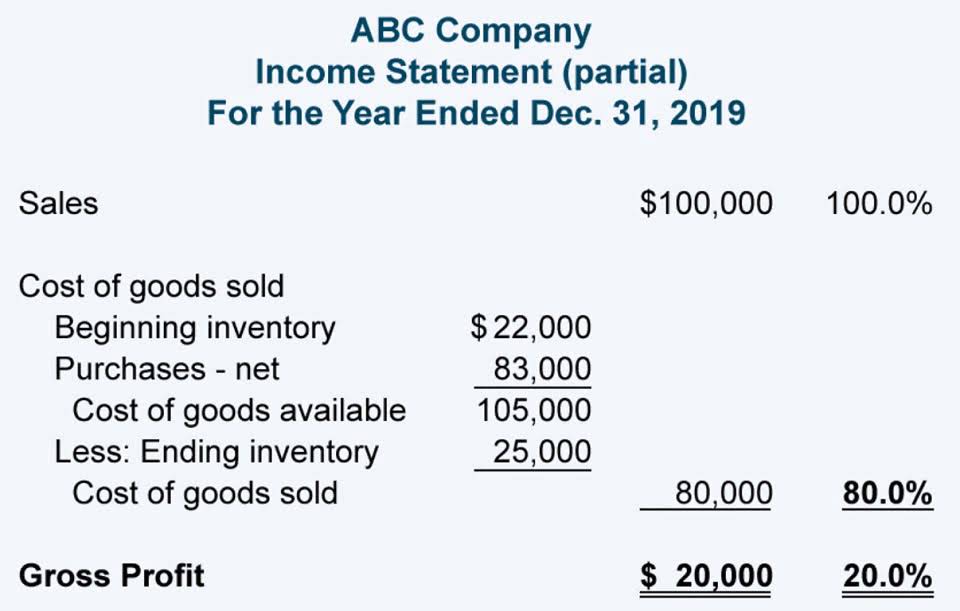
According to recent data, bookkeepers in the United States make about $45,000 per year on average. Accountants, especially those with advanced certifications like CPA (Certified Public Accountant), can expect higher pay. The average annual salary for accountants is typically between $60,000 and $80,000, with some experienced professionals earning six figures or more. A balance sheet lists all the assets and liabilities a business owns at a certain date. The income statement shows revenue and expenses over a period, ending with the net profit or loss. Bookkeepers do not need a college degree to start working, but completing additional training can help with job advancement.

Professional Advancement to Certified Public Accountant
In finance and business, bookkeeping and accounting are terms often used interchangeably but hold distinct roles and responsibilities. Understanding the differences between these two practices is crucial for any organization aiming to maintain accurate financial records, make informed decisions, and ensure regulatory compliance. Bookkeeping focuses on managing financial books payroll by documenting transactions, managing accounts, and recording financial data.
What’s the Difference Between Bookkeeping and Accounting? Top Insights and Key Facts
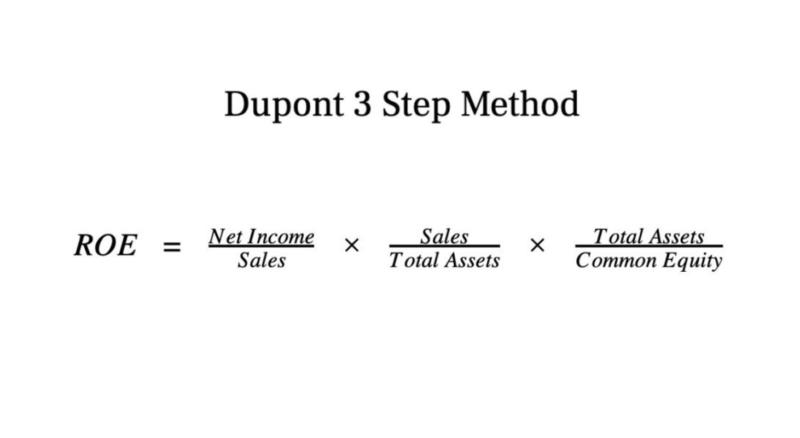
The primary duty of a bookkeeper is accurately recording and organizing transactions. This involves managing daily financial activities, including data entry for all transactions in business accounts. Detailed record-keeping is essential, as it includes documentation of every financial transaction, such as sales, receipts, payments, and purchases. Robust accounting practices are vital for business success, providing the foundational data to guide financial planning and strategy. Key activities include recording transactions, tracking cash flow, and analyzing financial statements to inform business decisions. This allows accountants to then analyze the records to provide insights and guidance.
- Simply put, bookkeeping is more administrative, concerned with accurately recording financial transactions.
- These tasks ensure that financial data is collected systematically and accurately, serving as the basis for all subsequent accounting activities.
- It takes the data provided by bookkeeping and uses it to create insights, guide, and maintain the business’s financial health.
- The best bookkeepers and accountants work with you, giving you visibility into your finances and helping you get a better understanding of your company.
- Accountants leverage technology and accounting software to streamline processes, improve accuracy, and enhance efficiency.
- The accounting process is more subjective than bookkeeping, which is largely transactional.